Related Articles
- Top 5 Game-Changing Copyright Management Apps from 2019 to 2024 for Modern Creators
- Top 5 Game-Changing Copyright Management Apps Released Since 2019 for Fast, Foolproof Filings
- How Traditional Storytelling Shapes Community Healing in Conflict Settlement Practices Worldwide
- The Role of Ancient Storytelling Traditions in Shaping Modern Conflict Settlement Practices
- The Quiet Shift: How Climate Change Is Secretly Reshaping Liability Standards in Insurance Policies
- The Unseen Impact of Climate Change on Rural Insurance Mandates and Local Risk Assessments
The Unexpected Influence of ADA Standards on Historic Preservation: Balancing Accessibility with Architectural Integrity
The Unexpected Influence of ADA Standards on Historic Preservation: Balancing Accessibility with Architectural Integrity
The intertwining of ADA standards with historic preservation presents a nuanced challenge that demands creativity and compromise to maintain accessibility without losing architectural authenticity. This article journeys through the complexities, case studies, and some surprising successes in balancing these two often conflicting goals.
The Dance Between Accessibility and Preservation
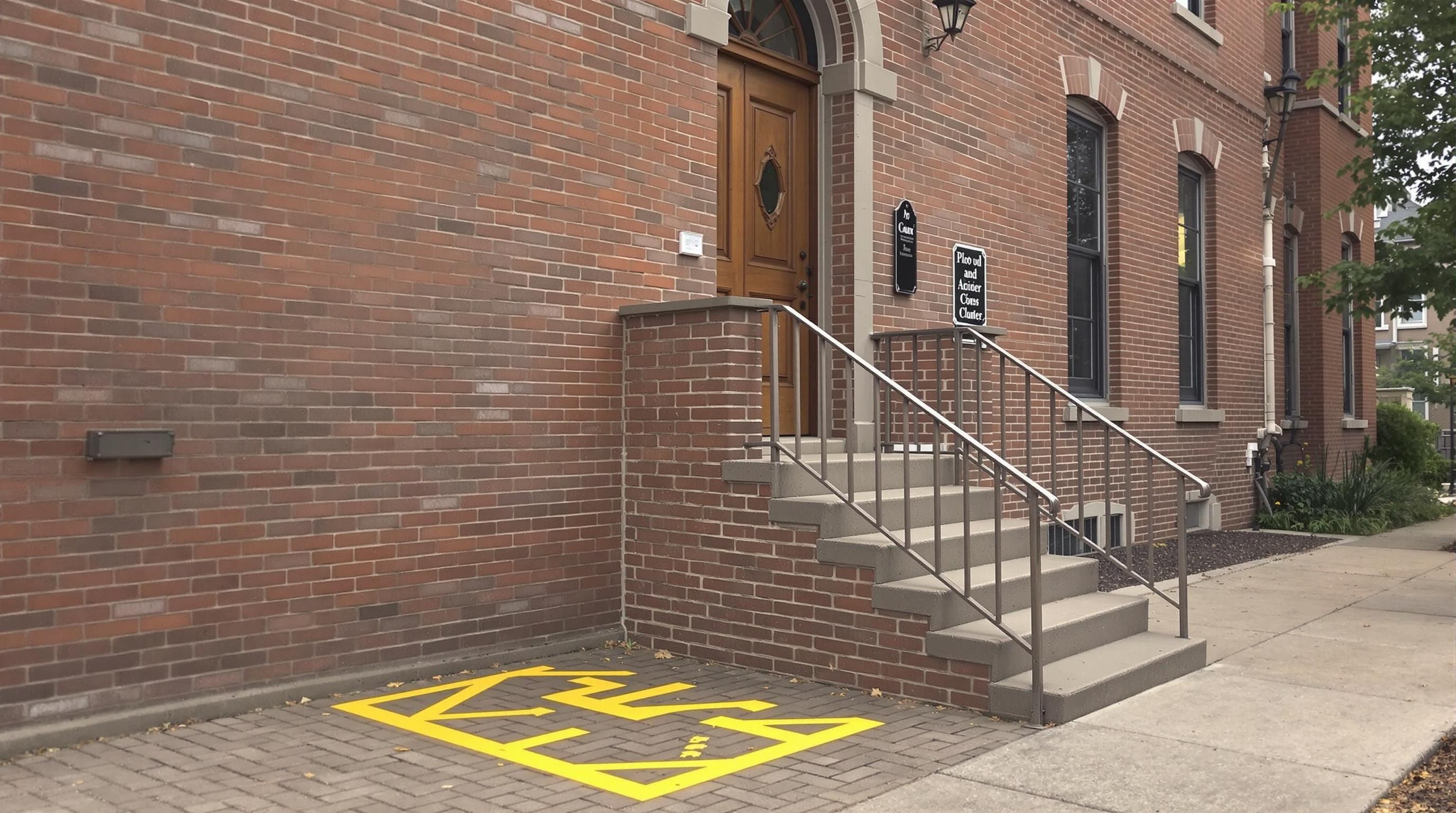
Imagine walking up the grand steps of an 18th-century courthouse, the weight of history pressing on your every step, only to find a sleek ramp discreetly nestled to the side, inviting, inclusive, and yet harmoniously melded into the building’s original aesthetic. This very image embodies the core struggle and triumph in weaving ADA standards into the fabric of historic structures.
A Bit of Context
Since its enactment in 1990, the Americans with Disabilities Act (ADA) has mandated public spaces to be accessible, a legal necessity for ensuring equal participation. Yet, historic buildings, many built long before accessibility was a consideration, face unique hurdles in meeting these standards without sacrificing their character and heritage.
The Historical Fabric at Risk
Historic preservation aims to maintain the integrity, materials, and design of structures that symbolize cultural and architectural milestones. Adding ramps, automatic doors, or elevators can sometimes feel like introducing invasive species into a carefully balanced ecosystem—necessary but precarious.
Creative Solutions Sparked by Challenge
One particularly inspiring example is the Boston Public Library’s Central Library renovation, where architects managed to seamlessly integrate accessibility features that respected and even celebrated the building’s original Beaux-Arts style. The solution involved using materials that matched existing textures and colors, turning a potential eyesore into a design highlight.
Statistics Speak Louder Than Words
According to the National Park Service, nearly 60% of historic sites have made partial ADA-compliant alterations, but only about 25% are fully accessible. These numbers spotlight the difficulty yet imperative of this work and underline the gap between intention and implementation.
For Preservationists, It’s a Bit of a Tough Pill to Swallow
“You cannot replicate the original craftsmanship,” said Lydia Hender, a conservator with over 40 years’ experience. “Every alteration chips away at authenticity, yet every barrier denies someone access. It’s a moral and professional conundrum.” This perspective resonates deeply, reflecting the emotional currents beneath preservation debates.
Storytime: An 18-Year-Old’s Perspective on Historic Access
As a young woman growing up with a wheelchair-bound friend, I often witnessed the frustration she felt when unable to enter public museums or theaters housed in historic buildings. This drove me, now a college student interested in architecture, to explore how ADA compliance might be more creatively and sensitively integrated into preservation efforts.
Balancing Act: The Legal Endgame
Legally, buildings are held to ADA Title III, requiring “readily achievable” modifications. But what is “readily achievable” when a national landmark’s facade is on the line? Courts have sometimes ruled in favor of preservation, but increasingly, practical accessibility is a key factor in decisions.
The Role of Technology and Innovation
Interestingly, technology has begun to bridge these worlds. Advances in materials science offer reversible modifications, such as temporary ramps and laser-cut balustrades that replicate historic profiles. Virtual reality tours are another avenue, providing accessibility in a digital realm when physical adaptation is impossible.
Humor Break: What If Heritage Sites Had to Use a Guide Dog?
Picture a colonial mansion’s grand hallway suddenly needing “paw-friendly” routes painted, or a medieval castle adding bee-proof honey lollipops for service animals. Jokes aside, the push to accommodate all visitors sometimes sparks delightfully creative—and yes, quirky—design ideas.
Case Study: The Alamo’s Accessibility Evolution
The Alamo in Texas faced immense challenges integrating ramps and elevators without diminishing its iconic visage. Through community engagement, historic architects deployed subtle landscaping changes and hidden lifts, allowing visitors of all abilities to experience the site intimately and respectfully.
The Emotional Weight Behind the Walls
Walking through a centuries-old building brings a palpable connection to the past that modern constructions often lack. Alterations, even when necessary, can feel like erasing stories. It’s this emotional resonance that fuels passionate debates within both the disability rights and preservation communities.
Persuading with Purpose: Why Accessibility Honors History
Accessibility isn’t an attack on heritage; rather, it’s an extension of the buildings’ social relevance. Those historical walls were erected for communities, and today’s community includes all people. By thoughtfully weaving ADA standards into preservation, we enable history to remain vibrant and inclusive rather than frozen and exclusive.
Casual Chat: Walking the Tightrope
Ever stood at a historic site wondering if that freshly poured concrete ramp feels out of place? It’s like wearing sneakers with a tuxedo—functional, but is it fashion? Preservationists and architects walk this tightrope, trying to make spaces welcoming without sacrificing style or spirit.
Future Directions: Toward Greater Harmony
Collaboration among architects, preservationists, disability advocates, and government agencies is crucial. Historic sites in Europe, for example, are increasingly using “accessibility audits” alongside preservation reviews to design interventions that prioritize both goals from the outset (European Heritage Alliance, 2021).
In Conclusion: A Dynamic, Ongoing Journey
The union of ADA standards with historic preservation isn’t a battle with a clear winner. Instead, it’s a creative and evolving dialogue shaped by respect for the past and compassion for the present. Achieving this balance requires innovative thinking and the courageous acceptance that sometimes, change is the most fitting tribute to history.
Read More