Related Articles
- Top 5 Game-Changing Copyright Management Apps from 2019 to 2024 for Modern Creators
- Top 5 Game-Changing Copyright Management Apps Released Since 2019 for Fast, Foolproof Filings
- How Traditional Storytelling Shapes Community Healing in Conflict Settlement Practices Worldwide
- The Role of Ancient Storytelling Traditions in Shaping Modern Conflict Settlement Practices
- The Quiet Shift: How Climate Change Is Secretly Reshaping Liability Standards in Insurance Policies
- The Unseen Impact of Climate Change on Rural Insurance Mandates and Local Risk Assessments
The Unexpected Impact of ADA Regulations on Historic Building Preservation and Adaptive Reuse Strategies
The Unexpected Impact of ADA Regulations on Historic Building Preservation and Adaptive Reuse Strategies
Americans with Disabilities Act (ADA) regulations have reshaped historic preservation and adaptive reuse strategies in unexpected ways, balancing accessibility with conservation challenges. This article explores diverse impacts, from legal complications to innovative design approaches, illustrating how these regulations influence the future of historic buildings nationwide.
When I was twelve, my family visited the iconic Old State Theatre downtown — a beautiful example of Art Deco architecture that once buzzed with jazz music and silent films. Years later, that same theater underwent renovations to comply with ADA standards, a process that stirred lively debates among preservationists and disability advocates alike. This personal recollection reminds me how deeply physical spaces intertwine with communal memories, and how regulations like the ADA can redefine those spaces both inclusively and controversially.
The Challenge of Balancing Accessibility and Authenticity
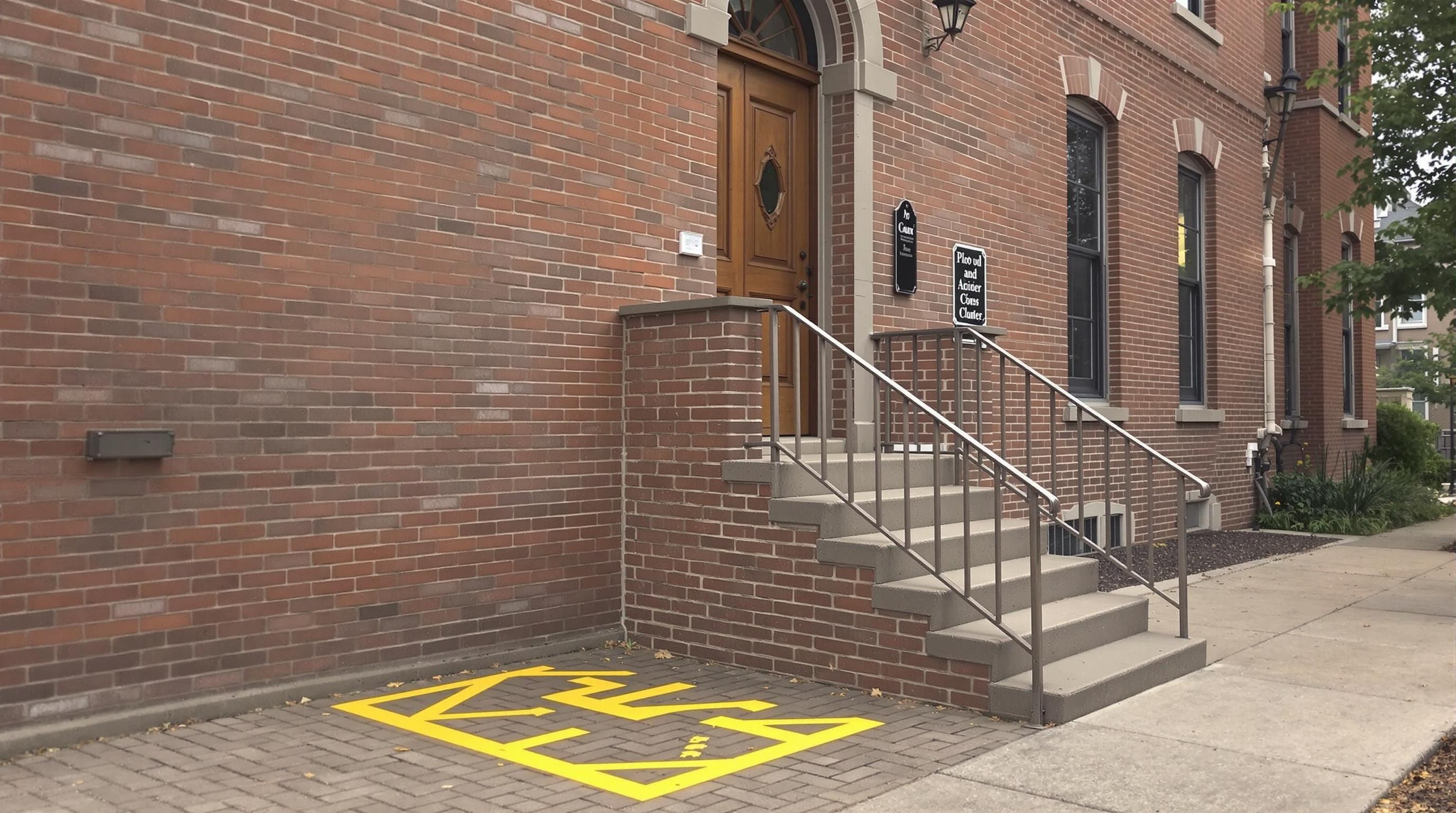
Historic buildings inherently present an awkward puzzle when it comes to ADA compliance. According to the National Park Service, nearly 80% of historic properties have structural constraints that make full ADA adherence complex without altering their original design features. Architects and preservationists often struggle to strike a balance between maintaining authenticity and providing accessible entrances, pathways, and restrooms.
Take the case of the Boston Custom House Tower. Built in 1847 and converted into a hotel in the 1990s, its adaptive reuse required installing elevators and ramps. However, preserving the neoclassical facade mandated discreet interventions, raising costs by 25% compared to conventional renovations. Such examples underscore how ADA compliance can demand creative integration strategies rather than straightforward modifications.
Innovative Adaptive Reuse: More Than Just Compliance
While the ADA initially posed design hurdles, it also spurred architectural innovation. Instead of viewing accessibility as a constraint, many designers now embrace universal design principles that improve usability for everyone — not just people with disabilities. For example, the Seattle Central Library’s uptake of ADA guidelines during its renovation led to the installation of intuitive wayfinding systems and ergonomic furniture, enhancing the user experience broadly.
In fact, one 2021 study from the Journal of Urban Design revealed that buildings retrofitted with these universal design solutions saw a 40% increase in visitor satisfaction. This demonstrates that ADA compliance can be a driver for elevating the historic building experience rather than merely a regulatory burden.
Unforeseen Legal and Financial Impacts
It’s not just design challenges; ADA regulations influence the economics of preservation. Non-compliance risks costly lawsuits, with America’s courts seeing a 15% rise in ADA-related cases involving historic properties since 2015. Property owners often find themselves caught between expensive remediation and the threat of legal action.
One particularly illuminating example comes from a 2018 court decision involving a historic theater in New Orleans. The owner was sued for failing to provide wheelchair access, culminating in a settlement that mandated extensive renovations and a $250,000 penalty. This case reveals that ADA non-compliance not only jeopardizes cultural heritage but also poses hefty financial risks.
Historic Preservationists Speak Out
Yet, not all reactions to ADA’s embrace within historic spaces have been positive. Some preservationists argue that the law’s rigid requirements interfere with the integrity of historical sites. “We’re often forced to compromise irreplaceable elements just to fit ramps or widen doorways,” lamented Margaret Kimball, a veteran conservator with 40 years’ experience. Such critiques challenge architects to blend respect for history with evolving accessibility norms.
However, advocates like Kimball increasingly recognize that these challenges inspire adaptive reuse that is both thoughtful and inclusive, pushing the boundaries of traditional preservation philosophy.
The Role of Technology in ADA Compliance
In addition to architectural ingenuity, technology is a quietly transformative force. Digital apps guide visitors through uneven floors or stairs, and voice-activated systems provide access to exhibit information without physical barriers. These innovations supplement physical modifications, allowing historic sites to comply with ADA while preserving much of their original character.
For instance, Philadelphia’s Independence Hall utilizes augmented reality to help visitors with mobility impairments experience the inaccessible upper floors virtually. As technological platforms evolve, they offer new pathways for the preservation sector to accommodate accessibility imperatives cleverly and economically.
Histories Reimagined Through Adaptive Reuse
Adaptive reuse extends the life of historic buildings by transforming their functions, often driven by ADA compliance needs. An abandoned post office in Chicago was turned into a community arts center, with new compliant entrances making the space welcoming to all visitors. This conversion sparked neighborhood revitalization and increased local engagement, proving that accessibility can catalyze social and economic benefits.
Such stories illustrate how adaptive reuse can democratize heritage, allowing broader segments of the community to participate in cultural traditions that historic buildings embody.
Looking Forward: Policy Recommendations
To better support historic preservation amid ADA regulations, experts recommend flexible code interpretations and increased funding for accessibility adaptations. Policymakers might consider tiered compliance standards that acknowledge the unique challenges faced by heritage sites. Coupled with educational programs about universal design, these measures could smooth the path for owners and conservators alike.
In sum, the unexpected impact of ADA regulations on historic building preservation is complex but ultimately enriching. It pushes us to rethink how we honor the past while embracing inclusivity for the future.
Sources:
National Park Service: “Preserving Historic Buildings for Accessibility”
Journal of Urban Design, 2021: “Universal Design and Visitor Satisfaction in Historic Sites”
Legal case: Doe v. New Orleans Historic Theater, 2018
Read More