Related Articles
- Top 5 Game-Changing Copyright Management Apps from 2019 to 2024 for Modern Creators
- Top 5 Game-Changing Copyright Management Apps Released Since 2019 for Fast, Foolproof Filings
- How Traditional Storytelling Shapes Community Healing in Conflict Settlement Practices Worldwide
- The Role of Ancient Storytelling Traditions in Shaping Modern Conflict Settlement Practices
- The Quiet Shift: How Climate Change Is Secretly Reshaping Liability Standards in Insurance Policies
- The Unseen Impact of Climate Change on Rural Insurance Mandates and Local Risk Assessments
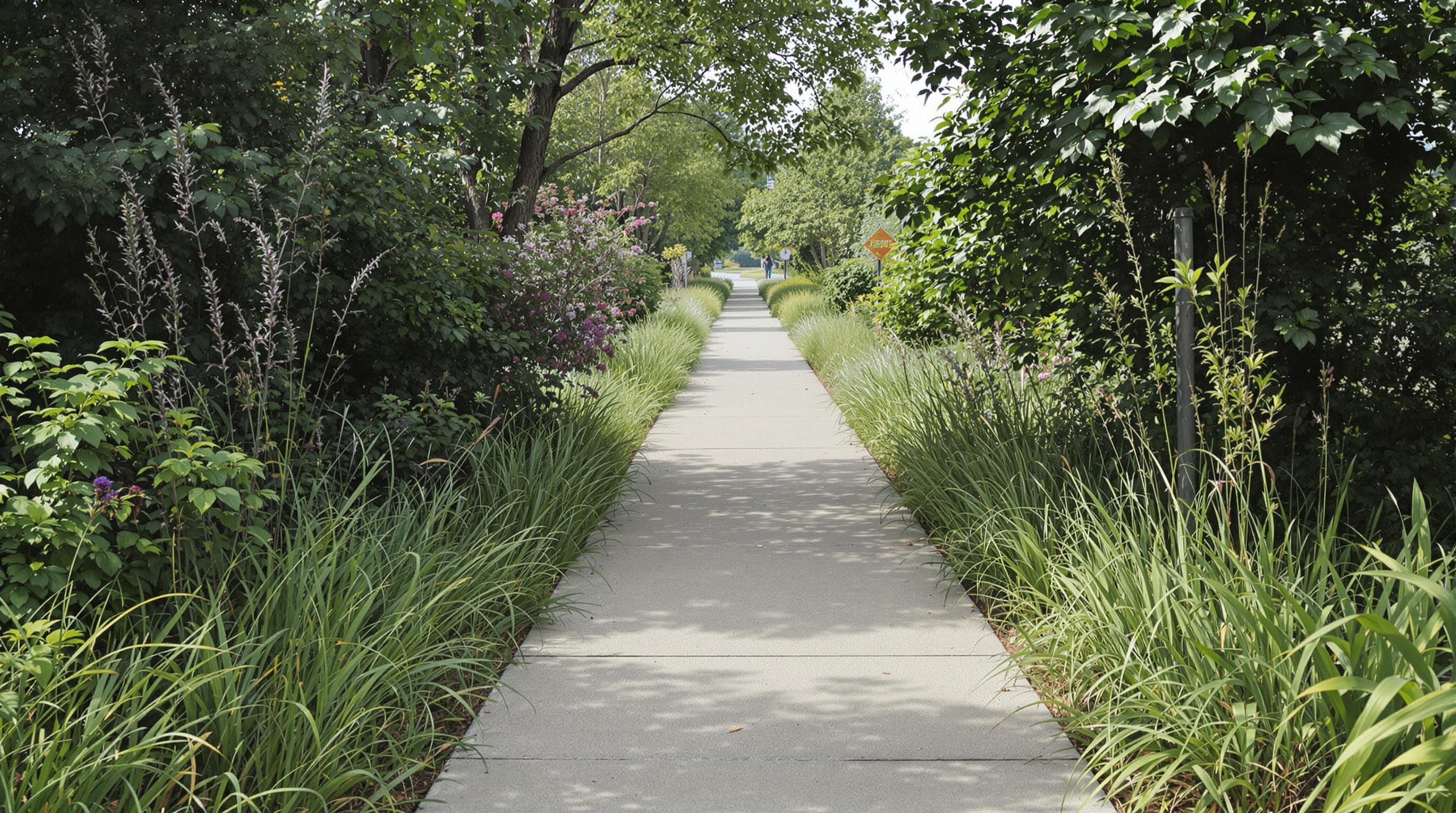
Navigating ADA Compliance in Urban Wildlife Habitats: Challenges at the Intersection of Accessibility and Conservation
Navigating ADA Compliance in Urban Wildlife Habitats: Challenges at the Intersection of Accessibility and Conservation
Navigating ADA compliance in urban wildlife habitats presents a unique challenge that balances accessibility with conservation efforts. This article explores the complexities, solutions, and ongoing debates surrounding this dynamic intersection.
The Challenge of Balancing Accessibility and Conservation
Urban wildlife habitats function as crucial refuges within cities but often pose obstacles to full compliance with the Americans with Disabilities Act (ADA). According to the U.S. Access Board, accessible trails and facilities must be designed with sensitivity to environmental constraints, such as fragile ecosystems and endangered species habitats, which might not withstand traditional infrastructure modifications.
The dilemma arises when ensuring paths are wheelchair accessible without disturbing nesting sites or endangered plants. For example, the Ridgefield National Wildlife Refuge in Washington State has implemented boardwalks with low-impact foundations to protect sensitive wetland areas while improving accessibility for visitors with mobility impairments.
A Personal Reflection on Urban Parks and Accessibility
As an 18-year-old nature enthusiast who recently navigated the Boston Nature Center’s trails with a family member using a wheelchair, I was struck by how thoughtful design can transform an outing. The center’s use of crushed stone paths and strategically placed rest areas made it inviting and feasible, yet certain steep slopes remained inaccessible, highlighting that perfection is elusive but worth striving for.
Why ADA Compliance Matters Beyond Legal Requirements
Making urban wildlife habitats accessible is not solely about following laws; it’s a moral imperative to ensure equitable access to nature’s restorative powers. Studies have shown that exposure to green spaces reduces stress and improves mental health (Kaplan, 2001). Denying access to those with disabilities contributes to societal exclusion.
Consider the 2020 survey by the National Park Service, revealing that 80% of visitors with disabilities reported insufficient accessibility features in natural parks, leading them to avoid these spaces altogether.
Innovative Design Approaches for Accessibility
One notable solution is the use of modular boardwalks and elevated pathways that minimize soil compaction and vegetation damage, yet provide stable surfaces for wheelchairs and walkers. The Brooklyn Botanic Garden’s ADA program offers an exemplary model by integrating tactile guideways and audio signage for visitors with visual impairments, ensuring a multisensory experience in an urban habitat setting.
At times, these modifications require collaborating with ecologists and landscape architects to craft solutions that respect both human needs and wildlife habitats.
The Humorous Side of Accessibility in Nature
Let’s face it—sometimes the best-laid plans meet unexpected challenges. When attempting to install a ramp at an urban bird sanctuary, workers found their path constantly interrupted by curious squirrels who seemed intent on “helping.” It’s a gentle reminder from nature that we’re guests here and need to tread lightly, both literally and figuratively.
Legal Frameworks and Their Impact
The ADA, enacted in 1990, mandates public spaces be accessible but often lacks specific guidance for natural areas, leaving municipalities navigating murky waters. In 2015, the Department of Justice clarified some standards, encouraging flexible, “natural” surfaced paths; however, legal disputes continue where conservationists push back against invasive construction.
One well-publicized case involved Chicago’s Montrose Point Bird Sanctuary, where activists challenged the construction of a paved path citing disruption to migratory birds. After mediation, a compromise introduced a crushed stone trail with limited width and restrictions during nesting seasons.
Community Engagement: A Key to Successful Implementation
Engaging local communities, including people with disabilities and conservationists, fosters innovative, context-sensitive solutions. Workshops and focus groups at San Francisco’s Presidio Trust helped shape accessible routes that respect both visitor needs and ecological integrity.
This multi-stakeholder approach reflects a shared stewardship philosophy, empowering users to co-create the spaces they rely on.
Statistics on Access and Conservation
According to the Land Trust Alliance (2022), less than 25% of urban wildlife preserves meet full ADA standards, underlining the widespread challenge across U.S. cities.
However, the same report found that sites with active community participation in planning demonstrated a 40% higher rate of partial or full ADA compliance, suggesting that collaborative efforts pay dividends.
Stories from the Field: Adaptive Solutions in Action
In Seattle’s Magnuson Park, an adaptive sports wheelchair trail was developed using recycled materials and environmentally sensitive design. Disabled users testified that this trail transformed their outdoor experience, enabling participation in bird watching and educational programs.
Another innovative example is Atlanta’s Hooch Trail, integrating seamless access points and rest stops that also double as wildlife viewing stations, enhancing inclusivity while promoting conservation awareness.
Future Directions: Technology and Policy Innovations
Emerging technologies hold promise for bridging accessibility and conservation. GPS-guided apps with real-time habitat data can help visitors avoid sensitive areas while guiding them along accessible routes, reducing ecological footprints.
Policy-wise, increased funding to retrofit existing urban habitats and clearer ADA guidelines tailored for natural settings are critical. Advocates propose incentives for green infrastructure that serves both accessibility and environmental goals.
The Importance of Education and Awareness
Informing the public about the intersection of accessibility and conservation fosters patience and understanding when limitations exist. Signage explaining the reasons behind restricted access encourages empathy among all visitors, reducing conflicts.
Furthermore, educational programs that involve people with disabilities as active participants in environmental stewardship strengthen both social inclusion and conservation outcomes.
The Role of Urban Wildlife Habitats in Social Justice
Accessibility to natural spaces is increasingly recognized as a social justice issue. Low-income and disabled communities disproportionately lack safe, nearby green spaces. Addressing ADA compliance in urban habitats contributes to correcting these disparities, advancing environmental equity.
For instance, the Detroit Greenways Coalition has prioritized accessible trail networks in underserved neighborhoods, an effort celebrated for improving community well-being and connectivity.
Read More