Related Articles
- Top 5 Game-Changing Copyright Management Apps from 2019 to 2024 for Modern Creators
- Top 5 Game-Changing Copyright Management Apps Released Since 2019 for Fast, Foolproof Filings
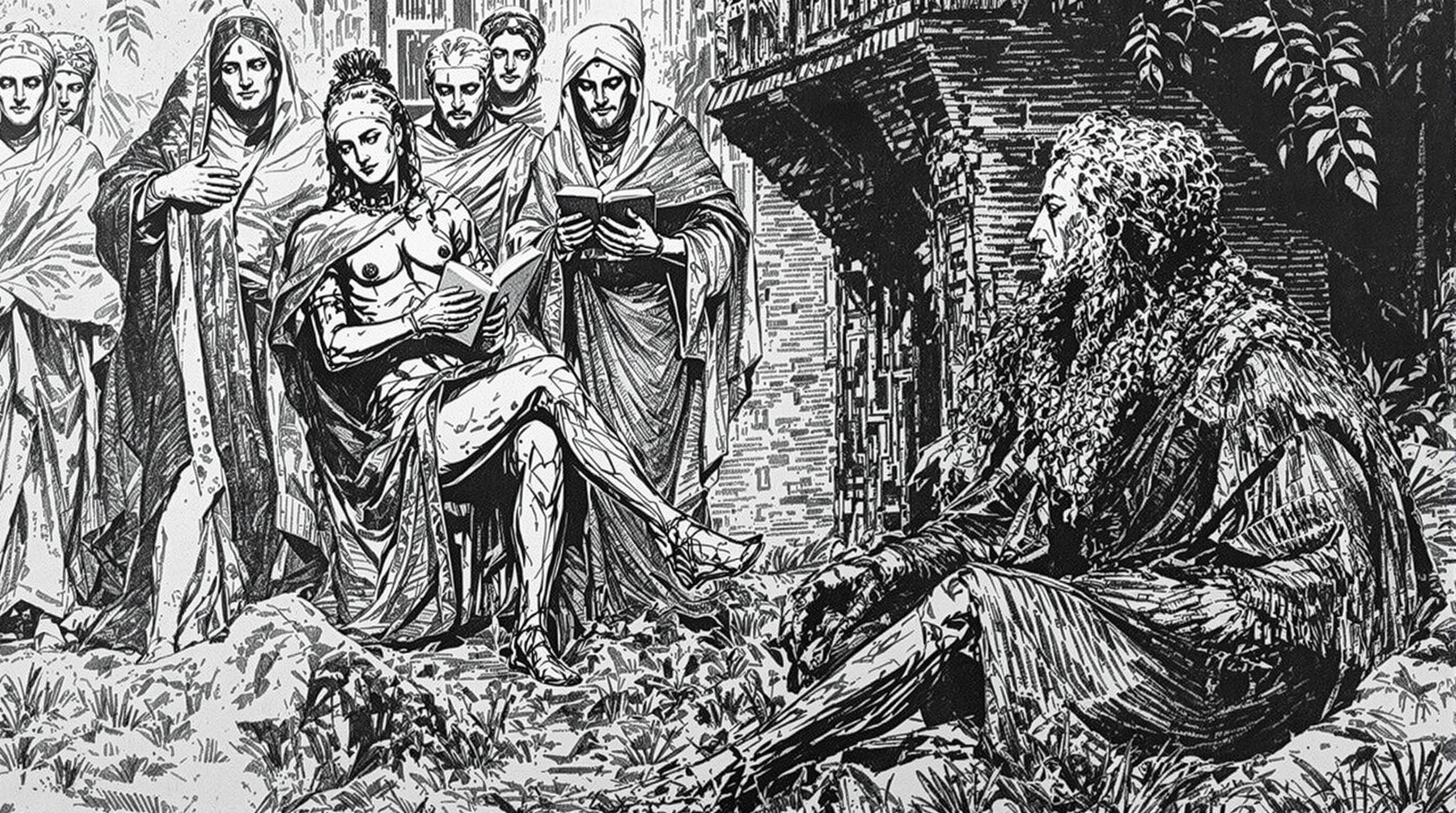
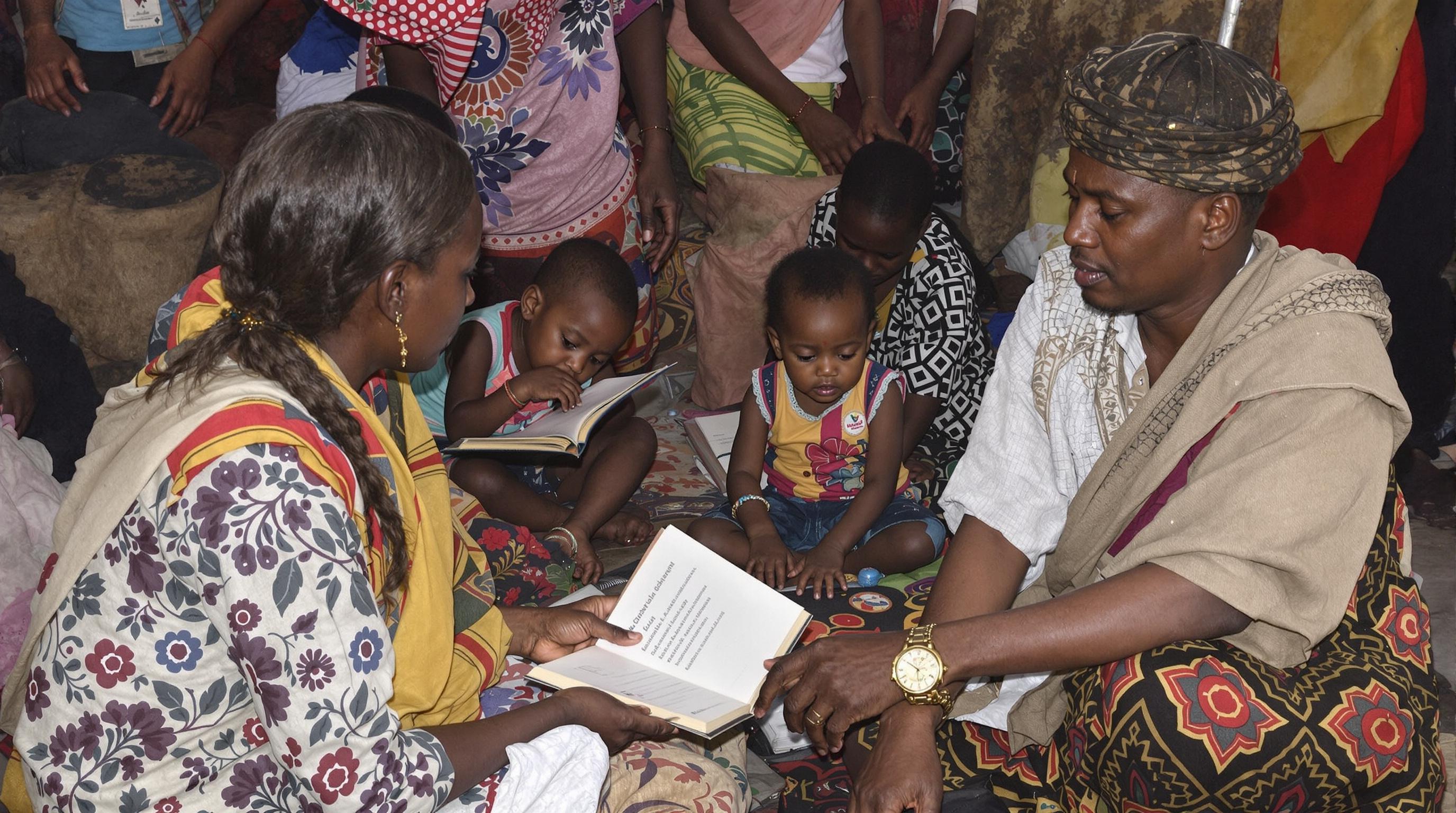
- How Traditional Storytelling Shapes Community Healing in Conflict Settlement Practices Worldwide
- The Role of Ancient Storytelling Traditions in Shaping Modern Conflict Settlement Practices
- The Quiet Shift: How Climate Change Is Secretly Reshaping Liability Standards in Insurance Policies
- The Unseen Impact of Climate Change on Rural Insurance Mandates and Local Risk Assessments
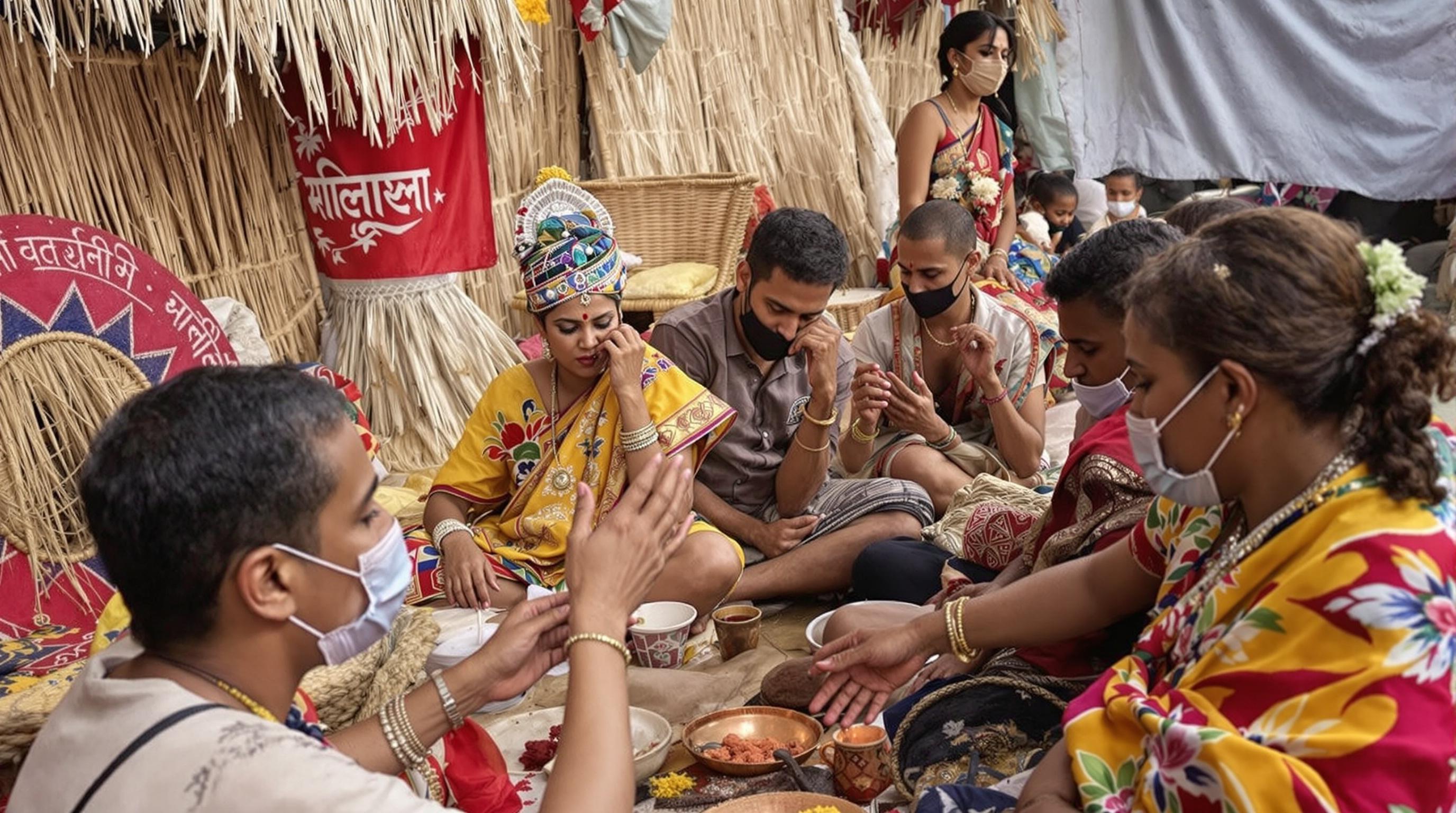
8 Unconventional Cultural Rituals That Influence Dispute Resolution Practices Across the Globe
8 Unconventional Cultural Rituals That Influence Dispute Resolution Practices Across the Globe
Introduction to Unconventional Cultural Rituals in Dispute Resolution
Across the globe, cultures have developed unique practices to resolve conflicts and disputes that differ greatly from modern judicial systems. These unconventional cultural rituals are deeply embedded in the traditions and values of communities, often emphasizing restoration, harmony, and mutual respect rather than punishment. Understanding these rituals provides insight into how societies maintain peace and cohesion through methods beyond formal legal frameworks.
Dispute resolution rituals often involve symbolic acts or ceremonies that reflect cultural beliefs about justice, forgiveness, and social balance. In many cases, they prioritize communal harmony over individual gains, highlighting the importance of relationships within the society. This approach can offer alternative methods that complement or inspire modern conflict resolution practices.
This article explores eight unconventional cultural rituals from different parts of the world that influence how communities approach dispute resolution. These rituals demonstrate the diversity and creativity of human social systems in addressing conflicts effectively while respecting cultural identities.
1. The Gacaca Courts of Rwanda
The Gacaca courts, traditionally used in Rwanda, are community-based dispute resolution forums that gained international attention after the 1994 genocide. These courts involve local community members who come together to listen to cases, establish truth, and seek reconciliation. Unlike formal courts, Gacaca places emphasis on confession, forgiveness, and community healing.
Decisions are reached through consensus, and victims have opportunities to speak directly to offenders, promoting restorative justice instead of retributive. This approach helped Rwanda process a vast number of genocide cases quickly and restore social bonds within the fractured society.
Scholars like Clark (2010) have noted that Gacaca courts reflect traditional Rwandan values of dialogue and community involvement, which supported national healing post-conflict. It stands as a powerful example of culturally embedded dispute resolution that prioritizes reconciliation.
Source: Clark, P. (2010). *The Gacaca Courts, Post-Genocide Justice and Reconciliation in Rwanda*. Cambridge University Press.
2. The Maori Muru Ceremony
The Maori of New Zealand practice the Muru ceremony, an ancient ritual used to redress wrongs through a process of public shaming and compensation. When a dispute arises, the offending party might face a ritualized form of censure involving confiscation of property or goods, but this is always aimed at restoring balance rather than inflicting lasting harm.
Muru is deeply intertwined with the values of utu (reciprocity) and mana (respect/prestige), ensuring that social order is maintained. The ceremony serves both as a punishment and a way to acknowledge grievances, thus protecting relationships within the tribe.
Anthropologist Mead (2003) describes Muru as a form of restorative justice that embeds social norms in cultural performance. It highlights how indigenous practices incorporate justice and social harmony in communal life.
Source: Mead, H. M. (2003). *Tikanga Māori: Living by Māori Values*. Huia Publishers.
3. The Jalola Dispute Mediation in Ghana
Among the Jalola people of Ghana, dispute resolution involves traditional mediation led by elders in the community. When conflicts occur, parties submit their grievances to community leaders who convene meetings where negotiations are conducted openly. These sessions focus on dialogue, respect, and restoring good relationships.
Mediation often involves symbolic acts, such as sharing food or drink, which are seen as gestures of goodwill and reconciliation. Elders use proverbs and storytelling to remind parties of communal values and the costs of disharmony.
This method reflects the communitarian ethos of Ghanaian societies, where consensus and restoration trump adversarial confrontations. It demonstrates how cultural rituals create space for peaceful resolution rooted in tradition.
Source: Agyeman, K. (2015). *Traditional Dispute Resolution and Mediation in Ghana*. African Journal of Legal Studies, 8(2), 134-152.
4. The Inuit Song Duel
Inuit communities in the Arctic use a unique ritual called the song duel to resolve personal conflicts. Instead of violent confrontations, adversaries engage in a battle of improvised songs criticizing each other in a witty, often humorous manner. The duel ends when one party concedes or the community mediators intervene.
This ritual serves multiple purposes: it diffuses tension, provides entertainment, and helps restore relationships without physical harm. The use of humor and creativity underscores the community’s value on harmony and conflict containment.
Scholar Freeman (2014) notes that the song duel is more than conflict resolution; it is cultural expression that reinforces identity while managing disputes. It exemplifies how creative art forms can function as peaceful social mechanisms.
Source: Freeman, M. M. R. (2014). *When the Song Begins: Inuit Quarrels and Resolutions*. Arctic Anthropology, 51(1), 87-102.
5. The Jirga Assembly of Pashtuns
The Jirga is a traditional assembly of elders among Pashtun communities in Afghanistan and Pakistan used to resolve disputes through collective decision-making. It operates outside of formal legal systems and relies heavily on local customs and Islamic principles known as Pashtunwali.
The elders listen to all sides before reaching a consensus-based verdict, which often includes restitution, apology, or other remedies to repair social ties. The Jirga emphasizes communal well-being and respect for elders’ wisdom.
According to Ahmed (2012), the Jirga system persists due to its deep cultural legitimacy and efficiency in areas where formal courts are inaccessible. It highlights the role of traditional governance in maintaining social order.
Source: Ahmed, A. S. (2012). *The Pashtun Jirga: Law and Negotiation in Tribal Societies*. Journal of Islamic Studies, 23(3), 316-340.
6. The Balinese Pecalang Mediation
In Bali, Indonesia, the Pecalang are traditional community security officers who play a key role in mediating local disputes. They combine religious rituals, social pressure, and mediation techniques to encourage parties to reconcile and avoid escalation.
During mediation, Pecalang may involve spiritual elements, including blessings and prayers, to invoke harmony. Their authority is recognized by both villagers and formal authorities, bridging traditional and official dispute resolution.
Research by Saraswati (2018) shows that this blend of ritual and mediation strengthens community resilience and social cohesion, reflecting the Balinese philosophy of Tri Hita Karana—harmonizing people, nature, and the divine.
Source: Saraswati, L. M. (2018). *Community Conflict and Traditional Justice in Bali*. Journal of Southeast Asian Studies, 49(2), 230-247.
7. The Maasai Enkipaata Ritual
The Maasai people of Kenya and Tanzania hold the Enkipaata ceremony as a rite of passage and a social ritual that also functions to resolve intra-community disputes. This ritual involves elders and community members, focusing on re-establishing harmony before young members transition into adulthood.
During Enkipaata, disputes are openly aired, and customary laws applied to ensure fairness and social responsibility. The ceremony’s communal nature stresses collective accountability and integration.
Ethnographic accounts by Little (2010) highlight how Enkipaata serves as a social reset, promoting cohesion and peaceful coexistence. Such rituals illustrate how life milestones can integrate conflict resolution purposes.
Source: Little, P. (2010). *The Maasai Enkipaata: Conflict and Social Change in East Africa*. African Studies Review, 53(1), 45-63.
8. The Navajo Peacemaker Ceremony
The Navajo Peacemaker ceremony is a traditional form of restorative justice used to resolve disputes by involving community elders and spiritual leaders. This ritual emphasizes healing, forgiveness, and restoring relationships over punishment.
Participants meditate, share stories, and receive guidance from Peacemakers who facilitate dialogue and reconciliation. The ceremony incorporates Navajo cultural values of harmony with nature and social balance.
According to Goldtooth (2015), this practice reaffirms community bonds and cultural identity while effectively addressing conflict. It serves as a powerful reminder of indigenous approaches prioritizing restoration and peace.
Source: Goldtooth, L. H. (2015). *Restorative Justice and Navajo Traditions: The Peacemaker Ceremony*. Journal of Indigenous Studies, 13(2), 112-126.
Conclusion: Embracing Diverse Dispute Resolution Practices
These eight unconventional cultural rituals reveal the rich tapestry of global dispute resolution practices that emphasize restoration, community, and cultural values. They challenge Western-centric views of justice by offering approaches rooted in tradition, spirituality, and communal participation.
Incorporating lessons from these rituals can inspire more holistic and culturally sensitive conflict resolution models worldwide. By recognizing the importance of social harmony and cultural context, societies can develop more effective and inclusive ways to address disputes.
Ultimately, understanding and respecting these diverse practices enrich our global dialogue on justice, peacebuilding, and reconciliation, showing that multiple paths can lead toward societal healing and cohesion.
Read More