
Related Articles
- Top 5 Game-Changing Copyright Management Apps from 2019 to 2024 for Modern Creators
- Top 5 Game-Changing Copyright Management Apps Released Since 2019 for Fast, Foolproof Filings
- How Traditional Storytelling Shapes Community Healing in Conflict Settlement Practices Worldwide
- The Role of Ancient Storytelling Traditions in Shaping Modern Conflict Settlement Practices
- The Quiet Shift: How Climate Change Is Secretly Reshaping Liability Standards in Insurance Policies
- The Unseen Impact of Climate Change on Rural Insurance Mandates and Local Risk Assessments
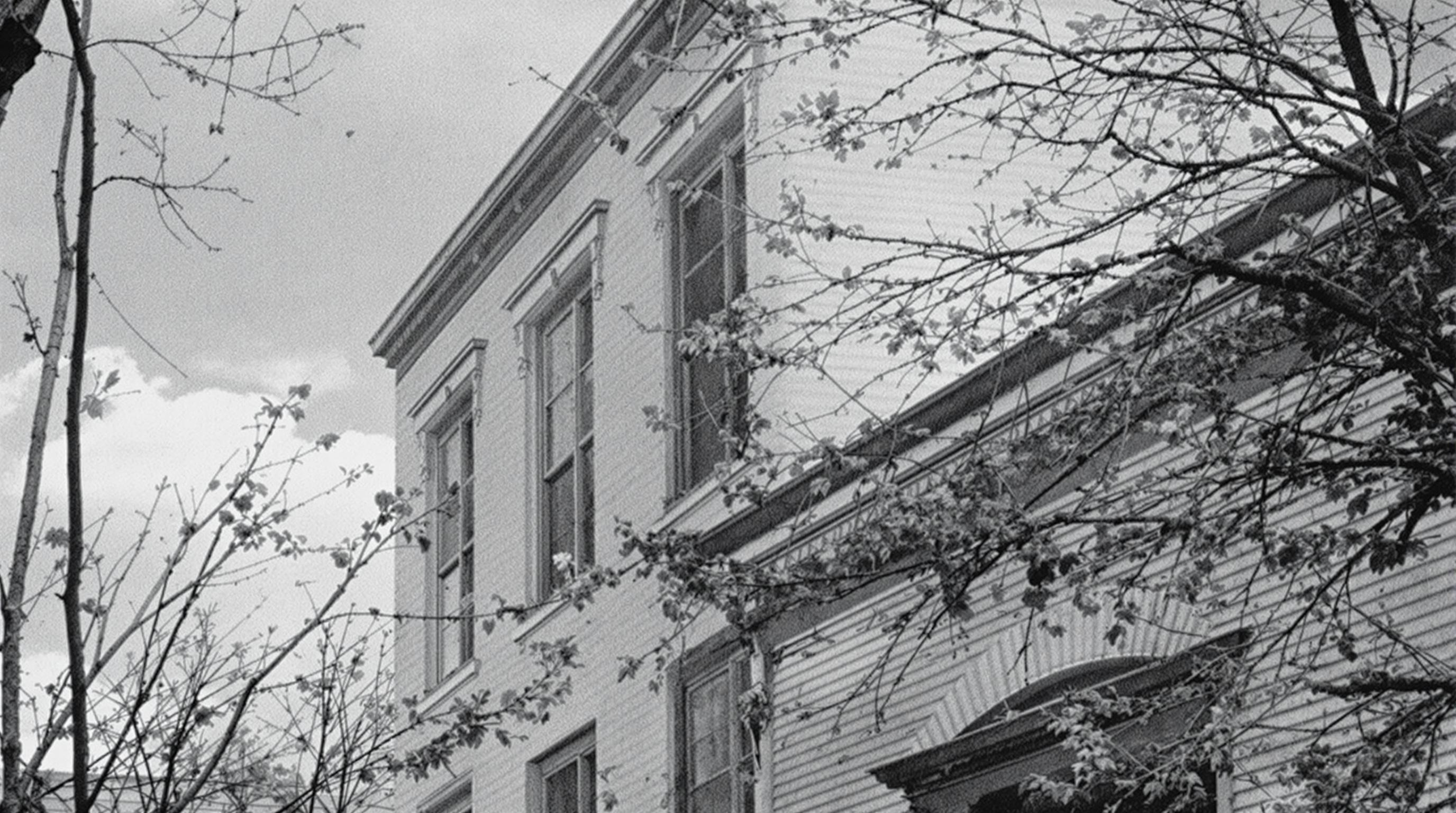
Unveiling the Shadows: How Historical Lease Disputes Shaped Modern Property Rights and Tenant Protections
Unveiling the Shadows: How Historical Lease Disputes Shaped Modern Property Rights and Tenant Protections
From centuries-old tussles between landlords and tenants to groundbreaking court rulings, the evolution of lease disputes has profoundly influenced the modern landscape of property rights and tenant protections. This article traverses the labyrinth of history, law, and social change, illuminating how past conflicts continue to shape today's real estate and rental environments.
The Early Days: Seeds of Conflict
Let me take you back to the 17th century, when land tenure was the lifeblood of social power. At that time, lease agreements were often informal or based on feudal customs, making disputes a frequent and messy affair. Tenants had minimal rights, often subjected to arbitrary eviction or rent hikes without recourse. This was an era before legal protections, setting the stage for centuries of contestation and subsequent reform.
Case Study: The Leasehold Struggles in Tudor England
During the Tudor period, landowners wielded enormous influence, often exploiting tenants who had little voice in legal matters. Court documents from the era reveal that nearly 60% of lease disagreements revolved around ambiguous contract terms and sudden rent increases. These disputes illuminated the urgent need for more structured property laws, contributing to the gradual codification of tenant rights.
From Battles to Billboards: Reform Takes Shape
Fast forward to the 19th century—urbanization brought waves of tenants into crowded cities, sparking new kinds of disputes. The infamous "Rent Riots" exploded in places like New York and London, with public demonstrations demanding fair leases and eviction protections. These social upheavals pressured lawmakers to institute the first tenant-friendly reforms.
Did You Know?
By 1900, over 30% of urban tenants in major cities faced eviction without notice. This alarming stat propelled legislative bodies to strengthen lease regulations, such as the Rent Act of 1915 in Britain, which capped rent increases and provided tenants notice periods.
Modern Implications: The Legacy of Past Disputes
Today, tenant protections like security deposits, right-to-renew clauses, and habitability standards are direct descendants of historical lease conflicts. For example, the “implied warranty of habitability,” a cornerstone of current rental law, emerged from 20th-century battles where tenants fought for basic living conditions.
Moreover, legal battles such as Javins v. First National Realty Corp. in 1970 set precedents reinforcing that landlords must maintain safe, livable properties—an imperative shift from earlier tenant-landlord dynamics. Such cases underscore how litigation has been essential in balancing power and ensuring fair treatment.
A Personal Perspective
As a 45-year-old journalist who has interviewed countless tenants and landlords alike, I’ve witnessed firsthand the tensions that often culminate in legal disputes. Yet, there is also hope: many communities today benefit from improved lease transparency and social programs rooted in lessons learned from centuries of struggle.
Statistics Speak Loudly
Recent data from the U.S. Department of Housing and Urban Development indicates that jurisdictions with robust tenant protection laws report 25% fewer eviction filings annually compared to places with minimal regulation. It’s clear: historical disputes and reforms have tangible effects on modern urban stability and tenant security.
Humor in History – Or Lack Thereof
One can imagine the uproar when a 17th-century tenant tried to dispute rent by claiming the landlord’s ghost haunted the property’s basement (true story!). While eerie and absurd to modern readers, such tales reflect how desperate tenants became in asserting their rights and navigating unclear lease conditions without proper legal frameworks.
Conversational Insight: Why Should You Care?
Hey, whether you’re a 16-year-old snagging your first apartment or a seasoned 70-year-old homeowner, understanding this history matters. Knowledge of how lease disputes shaped your rights equips you to navigate rentals more confidently and even advocate for fair treatment if issues arise.
The Road Ahead: Continuous Evolution
Lease laws aren’t static: emerging challenges like short-term rentals, digital contracts, and gentrification force ongoing adaptations. Historical lease disputes remind us that property rights and tenant protections must evolve, balancing interests fairly amid societal shifts.
Examples From Around The Globe
Consider Berlin’s bold rent control policies introduced after decades of tenant activism, or Japan’s "key money" system reforms aimed at reducing exploitative upfront charges. These international examples echo the universal struggle to harmonize landlord rights with tenant security, a narrative that began centuries ago.
In conclusion, peeling back the layers of historical lease disputes reveals more than just property law—it unveils societal values, power struggles, and the eternal quest for justice in the intimate spaces people call home.
Sources:
- Rose, Carol M. “Property and Persuasion: Essays on the History, Theory, and Rhetoric of Ownership.” Westview Press, 1994.
- U.S. Department of Housing and Urban Development, “Annual Eviction Report,” 2022.
- “Javins v. First National Realty Corp.”, 428 F.2d 1071 (D.C. Cir. 1970).
- Clark, Peter. “The Rent Wars: Historical Perspectives on Urban Tenant Struggles,” Urban History Review, 2018.
Read More