Related Articles
- Top 5 Game-Changing Copyright Management Apps from 2019 to 2024 for Modern Creators
- Top 5 Game-Changing Copyright Management Apps Released Since 2019 for Fast, Foolproof Filings
- How Traditional Storytelling Shapes Community Healing in Conflict Settlement Practices Worldwide
- The Role of Ancient Storytelling Traditions in Shaping Modern Conflict Settlement Practices
- The Quiet Shift: How Climate Change Is Secretly Reshaping Liability Standards in Insurance Policies
- The Unseen Impact of Climate Change on Rural Insurance Mandates and Local Risk Assessments
Top 8 Next-Gen Solutions Launched Since 2019 to Optimize Workforce Structure and Compliance in 2024
Top 8 Next-Gen Solutions Launched Since 2019 to Optimize Workforce Structure and Compliance in 2024
Top 8 Next-Gen Solutions Launched Since 2019 to Optimize Workforce Structure and Compliance in 2024
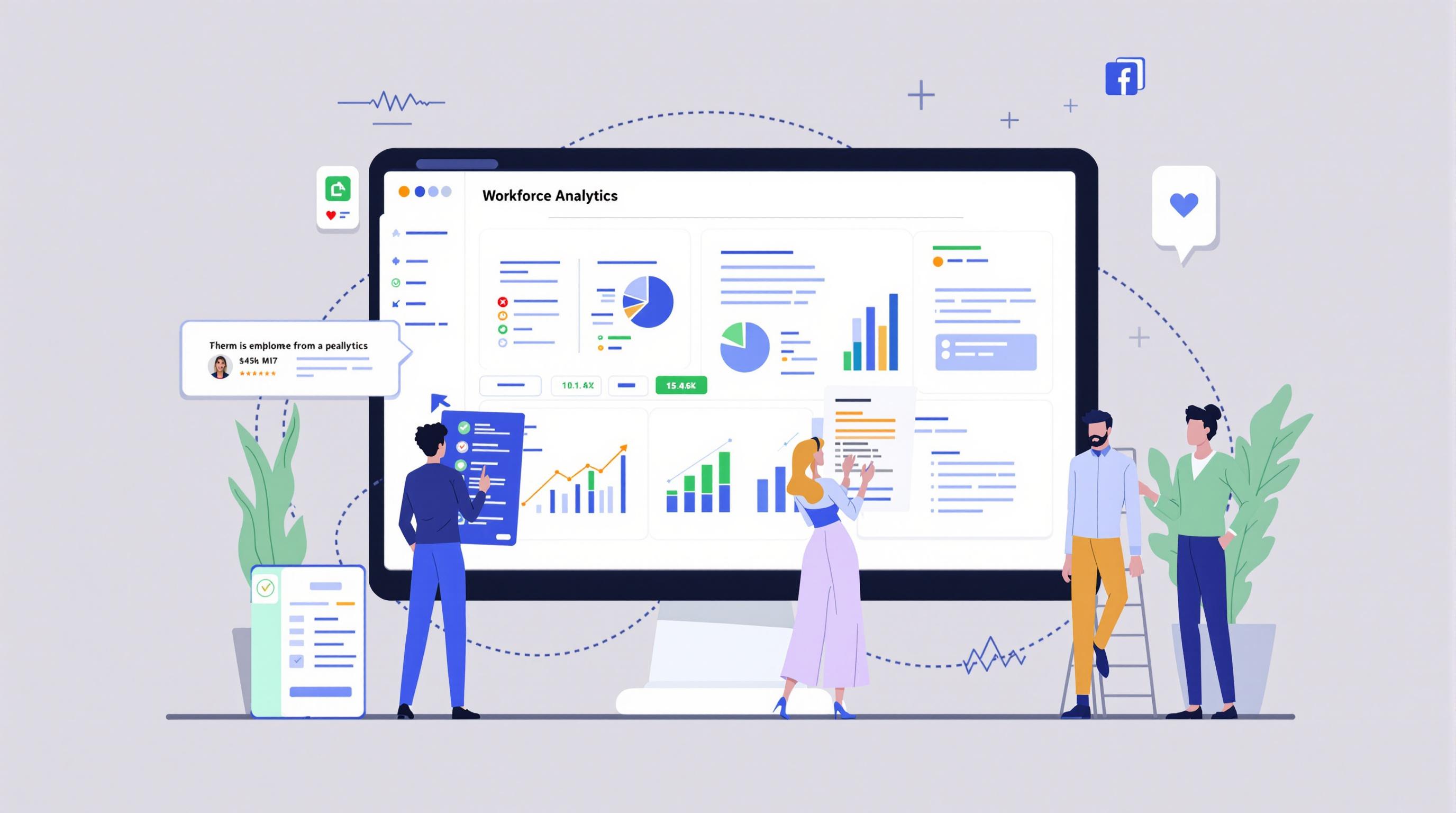
1. AI-Powered Workforce Analytics Platforms
The integration of artificial intelligence into workforce analytics platforms has revolutionized how companies manage labor resources. Since 2019, advanced analytics tools now provide real-time insights into employee productivity, skill gaps, and resource allocation. These solutions enable organizations to make data-driven decisions that optimize workforce structure to align with strategic goals.
Beyond basic reporting, modern platforms can predict workforce trends, such as potential turnover and the impact of hiring plans. This predictive capability facilitates proactive compliance management, ensuring companies meet labor laws and regulations consistently.
Leading vendors like Visier and Workday have introduced AI-enhanced solutions that blend compliance monitoring with workforce planning. According to Gartner (2023), these platforms reduce regulatory risk by up to 40% when properly integrated.
2. Automated Compliance Management Systems
Automated compliance management systems launched post-2019 have alleviated the burden of manual oversight in complex regulatory environments. These systems continuously scan changes in labor regulations globally and automatically update company policies to reflect new requirements.
By embedding compliance checks into HR workflows such as onboarding and scheduling, companies reduce the likelihood of violations and associated penalties. Real-time alerts for compliance risks enable swift remediation actions before issues escalate.
For example, solutions like ComplyRight and Mitratech leverage AI to streamline compliance workflows, ensuring adherence to labor standards, benefits administration, and safety regulations. Research by SHRM (2022) underscores the effectiveness of automation in reducing compliance incidents by 35%.
3. Cloud-Based Workforce Management Solutions
Cloud-based workforce management tools have gained prominence since 2019, offering scalability and flexibility critical in today’s dynamic labor markets. These platforms integrate scheduling, time tracking, and labor cost optimization in a unified interface accessible from anywhere.
The cloud architecture supports seamless updates aligned with the latest labor laws, simplifying compliance for multinational employers. Additionally, mobile accessibility empowers frontline managers to handle workforce shifts and compliance checks on the go.
Key players such as Kronos (now UKG) and Deputy continue to expand cloud capabilities that support advanced AI scheduling and compliance reporting. According to Forrester (2024), adoption of cloud workforce management correlates with a 25% increase in operational efficiency.
4. Talent Marketplace and Internal Mobility Platforms
Innovative talent marketplace solutions launched in recent years encourage internal mobility by matching employees with new roles and projects based on skills and compliance requirements. These platforms help organizations optimize talent deployment while maintaining regulatory adherence.
By automating eligibility checks including certifications, work permits, and compliance training status, companies mitigate risk when reallocating resources. This fosters a more agile workforce that can adapt to evolving business needs without compliance gaps.
Providers such as Gloat and Eightfold.ai have pioneered technology blending AI with compliance capabilities in internal talent marketplaces. Deloitte (2023) highlights these platforms as transformative tools driving both workforce optimization and regulatory alignment.
5. Employee Wellbeing and Compliance Solutions
Emerging wellbeing platforms integrate health monitoring with compliance features ensuring organizations meet occupational safety and health regulations. Since 2019, these solutions have expanded to cover mental health, ergonomics, and remote work compliance.
By embedding regulatory checklists and wellness data analytics, companies proactively address compliance areas such as workplace accommodations and fatigue management. This holistic approach reduces incidents and improves employee satisfaction simultaneously.
Solutions like Virgin Pulse and Limeade illustrate how next-gen wellbeing tools deliver both human-centric and compliance benefits. The WHO (2022) reports that organizations prioritizing wellbeing see a 20% reduction in workplace violations linked to safety standards.
6. Blockchain for Workforce Compliance and Credentialing
Blockchain technologies introduced since 2019 offer secure, immutable records for workforce compliance documentation such as certifications, licenses, and training records. This transparency enhances auditing processes and trust in compliance reporting.
By decentralizing control, blockchain platforms reduce fraud risk and verify credentials rapidly during recruitment or internal transfers. Companies also benefit from streamlined data sharing with regulators and third parties.
Innovators like APPII and Learning Machine have demonstrated blockchain's potential in workforce compliance, with the IBM Institute report (2023) noting a 30% improvement in document verification speed.
7. Robotic Process Automation (RPA) for HR Compliance
Robotic Process Automation tools have been introduced to handle repetitive HR compliance tasks such as data entry, audit trail maintenance, and regulatory reporting. Since 2019, RPA adoption has scaled to reduce human error and increase efficiency significantly.
These software robots can perform tasks across multiple systems and ensure consistent application of compliance rules. Integrating RPA with other workforce solutions enhances end-to-end compliance journeys.
Companies like UiPath and Automation Anywhere lead in deploying RPA for compliance purposes, evidenced by a Deloitte (2022) survey showing a 50% gain in compliance process speed when RPA is utilized.
8. Next-Gen Learning Management Systems (LMS) with Compliance Focus
Modern LMS platforms launched since 2019 feature AI-driven personalization and compliance-focused course offerings tailored to regulatory needs. These systems ensure employees complete mandatory training on time while tracking progress accurately for audits.
Adaptive learning engines customize curricula to individual roles, reducing training fatigue and enhancing knowledge retention. Real-time reporting to compliance officers supports transparent oversight and gap remediation.
Systems like Docebo and SAP SuccessFactors have integrated compliance features that simplify regulatory adherence in sectors with strict training requirements. Brandon Hall Group (2023) credits next-gen LMS with increasing compliance training completion by 40%.
9. Predictive Compliance Risk Management Tools
Since 2019, predictive analytics tools dedicated to compliance have emerged to identify potential risk areas before violations occur. By analyzing workforce data and external regulatory trends, these solutions enable preemptive corrective measures.
Such tools utilize machine learning to surface patterns linked to audit failures or compliance breaches, allowing organizations to act decisively. Integration with workforce management systems ensures aligned operational adjustments.
Companies leveraging platforms from providers like MetricStream and SAP GRC report reduced compliance incidents by upwards of 30%, according to a 2023 HRCI study.
10. Voice-Enabled Compliance Assistants
Voice-enabled AI assistants equipped with compliance knowledge have been introduced to help workers and managers quickly access regulatory guidance. Since 2019, these technologies support real-time queries on labor laws, safety protocols, and company policies.
By reducing the time needed to find accurate compliance information, voice assistants help prevent errors and foster a culture of compliance awareness. They are particularly useful in high-pressure environments requiring rapid decisions.
Solutions like IBM Watson Assistant adapted for compliance and Microsoft Cortana integrations have proven effective, with Forrester (2024) noting a 15% decrease in compliance-related inquiries escalated to HR teams.
Read More