Related Articles
- Top 5 Game-Changing Copyright Management Apps from 2019 to 2024 for Modern Creators
- Top 5 Game-Changing Copyright Management Apps Released Since 2019 for Fast, Foolproof Filings
- How Traditional Storytelling Shapes Community Healing in Conflict Settlement Practices Worldwide
- The Role of Ancient Storytelling Traditions in Shaping Modern Conflict Settlement Practices
- The Quiet Shift: How Climate Change Is Secretly Reshaping Liability Standards in Insurance Policies
- The Unseen Impact of Climate Change on Rural Insurance Mandates and Local Risk Assessments
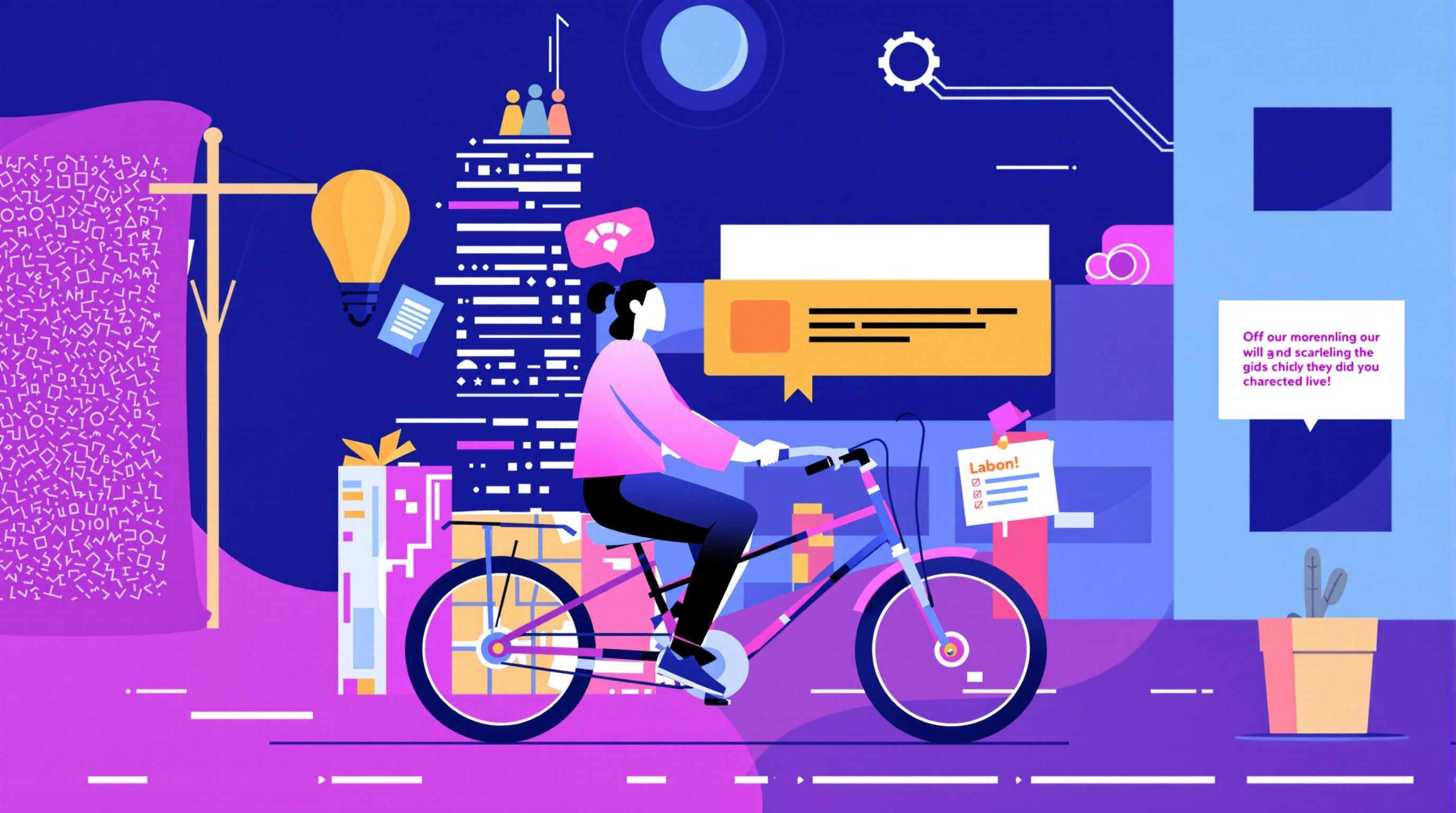
How Gig Economy Roles Blur Traditional Labor Categories and Challenge Workplace Norms in Unexpected Ways
How Gig Economy Roles Blur Traditional Labor Categories and Challenge Workplace Norms in Unexpected Ways
The gig economy is reshaping how we define work by blending traditional labor roles and upending long-held workplace norms in surprising ways. This article explores the complex consequences of gig work on employment categories, social protections, and the evolving relationship between workers and employers.
The Emergence and Evolution of the Gig Economy
I’m Carlos, a 45-year-old freelance journalist and longtime observer of labor market trends. Over the past decade, gig roles—ranging from ride-sharing drivers to freelance designers—have exploded, representing about 36% of the U.S. workforce in some form according to a 2021 Gallup report.
The term "gig" used to be reserved for musicians playing short stints; now it signifies a profound transformation of how work is organized. Traditional full-time salaries and seven-to-five routines have been replaced by on-demand, task-based jobs that often cross traditional labor category boundaries.
Storytime: Meet Jenny, the Multi-Hyphenate Gig Worker
Jenny, a 29-year-old graphic designer from Chicago, juggles three gigs to pay the bills. By day, she crafts logos for startups; by night, she drives for a rideshare company and squeezes in food delivery whenever she can.
Her "job" isn’t one but many: creative professional, courier, customer service agent—all roles traditionally housed in separate labor categories now collapsed into one person's hectic schedule. Jenny’s story perfectly illustrates how gig roles are hybridizing occupations in unexpected ways.
Shifting Definitions: Employee? Contractor? Something Else?
One of the core challenges the gig economy presents is classification. Are gig workers employees entitled to benefits and protections or independent contractors providing services?
This ambiguity leads to legal debates and policy dilemmas worldwide. California’s AB5 law attempted to clarify the issue by reclassifying gig workers as employees, only to face pushback from companies citing operational and financial impacts. The result? A blurred boundary and continued uncertainty for workers like Jenny.
Workplace Norms Get a Makeover
Traditional workplace norms—regular hours, fixed locations, structured hierarchies—are being rewritten by gig work.
Flexibility is lauded as the gig economy’s greatest benefit. According to a Pew Research Center study, 60% of gig workers say they appreciate controlling when and where they work. Yet, this flexibility can mask instability, lack of job security, and the erosion of workplace community.
The Irony of “Flexible” Work
Consider Mike, a former warehouse employee turned app-based delivery driver. His new "flexible" schedule requires him to be available at a moment’s notice, battling algorithmic dispatch systems that encourage longer hours for better pay. Despite freedom from the traditional 9-to-5, Mike finds himself chained to his phone, illustrating how gig work can replace old constraints with new, equally demanding ones.
The Social Protection Gap
Gig roles further complicate access to social protections like health insurance, unemployment benefits, and retirement plans.
A 2022 Harvard study found gig workers have about 30% less access to employer-sponsored benefits compared to traditional employees, leaving many vulnerable during economic downturns or health crises.
Governments and platforms like Uber and Fiverr are experimenting with portable benefits and insurance options, but the landscape remains patchy and underdeveloped.
Blurring Labor Categories: New Skills, New Expectations
Gig workers often wear multiple hats, requiring a diverse skill set spanning customer service, self-promotion, tech savviness, and financial management.
This poly-skilled labor force challenges simple compartmentalization of jobs like “driver” or “designer.” Instead, workers must adapt constantly, shifting between roles and platforms.
The Platform Economy: Employer or Enabler?
Platforms operate as intermediaries connecting workers to customers, yet they wield significant control through rating systems, payment rules, and data analytics. While traditionally not classified as employers, the power disparity suggests an evolving employment relationship that challenges legal norms.
Stat Wars: Numbers To Ponder
Let’s toss out some intriguing numbers:
- Over 57 million Americans engaged in gig work in 2023 (Statista, 2023).
- 30% of gig workers use multiple platforms, further complicating labor categorization.
- Female gig workers report earning 20% less than their male counterparts for comparable work (Brookings Institute, 2022).
These figures paint a nuanced picture of an expansive yet unequal sector where traditional labor laws struggle to catch up.
The Cultural Shift and Worker Identity
For many, gig work transforms not only their professional identity but also their social identity.
Whereas traditional employment often confers status and belonging, gig work—fragmented and isolated—can lead to feelings of precarity and anonymity. Online gig communities and forums are emerging as vital spaces for connection and advocacy, indicating workers’ efforts to reclaim belonging.
Humorous Take: When Your Boss is an Algorithm
Imagine explaining to your grandma that your manager is basically a robot who watches what you do and decides whether you’re worth $8 an hour. "So, you have a job, but no boss, and your boss is a ghost,” she’d say, chuckling. Welcome to the gig economy!
But joking aside, this strange new "management" style raises questions about fairness, feedback, and worker rights in an increasingly automated world.
Case Study: The Uber Drivers’ Protests
Uber drivers worldwide have staged protests demanding better pay, transparency, and benefits. In 2019 alone, hundreds of ride-share workers rallied in cities like London, New York, and Delhi, highlighting the growing tensions between gig workers and platforms.
These movements underscore the unexpected ways gig work fuels collective action and labor organizing outside traditional union frameworks.
What Lies Ahead?
As AI and automation integrate further into gig platforms, the gig economy’s influence is set to expand and evolve.
Policymakers, platforms, and workers must grapple with maintaining flexibility while securing fair protections, redefining labor classifications, and fostering inclusive workplace cultures.
Will the gig economy be a stepping stone toward new work paradigms or a source of long-term labor insecurity? Only time will tell.
Final Thoughts: Embracing Complexity
The gig economy defies simple categorization—it’s messy, multifaceted, and full of contradictions.
As a society, rather than clinging to outdated labor definitions, embracing these shifts with innovative policies and empathetic understanding could unlock new opportunities and protections for workers in this unpredictable landscape.
Read More